Enterprise Servers
Mobile Workstation
Tower and Rack Workstation Series

DELL EMC PowerEdge Servers
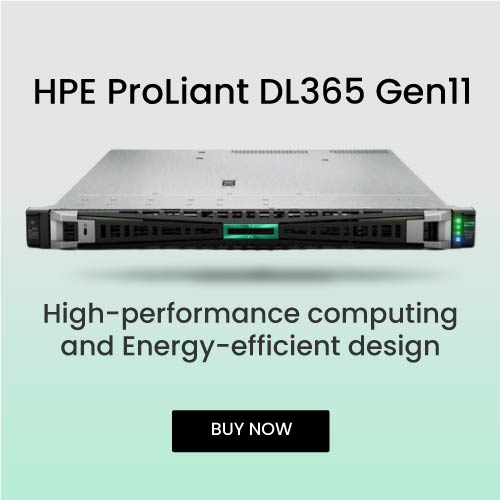
HPE ProLiant Servers

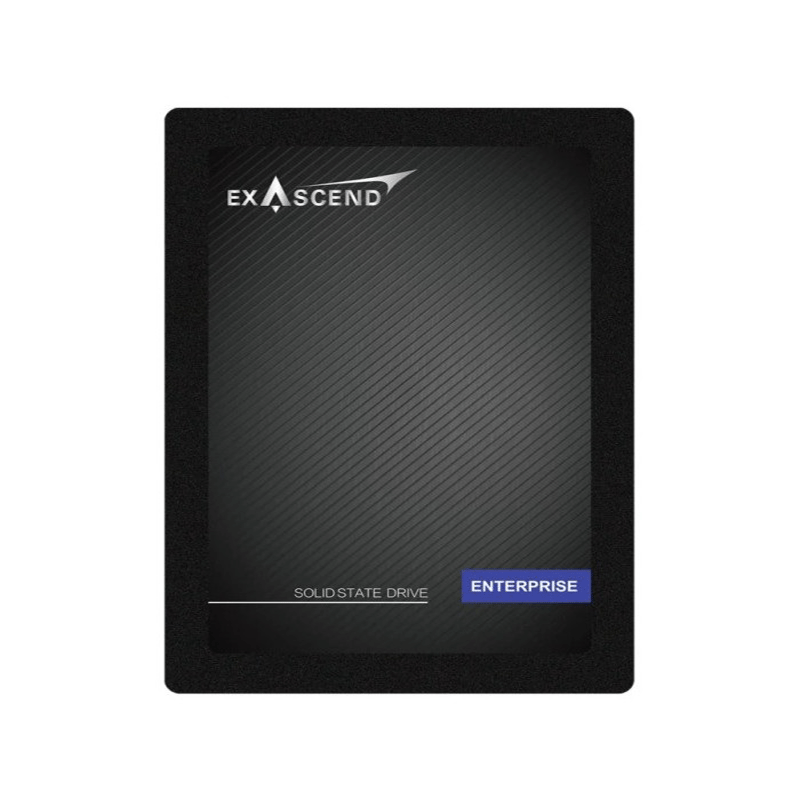
Form factor / Interface: 2.5″ SATA‑III (6.0 Gb/s)
Capacity: 3.84 TB
Flash type: 3D TLC NAND
DRAM cache: Yes (on‑board)
Max sequential read speed: Up to ~560 MB/s
Max sequential write speed: Up to ~535 MB/s
Random 4K performance: ~97,000 IOPS (read), ~50,000 IOPS (write)
Power consumption: Active < 2.5 W; Idle < 0.9 W
Operating temperature: 0 °C to 70 °C
Mean Time Between Failures (MTBF): ~2,000,000 hours
Endurance (DWPD — Drive Writes Per Day): Up to ~25 DWPD over 5 years (for SE4 “Max”‑class devices)
Data protection & reliability features: Advanced LDPC error correction, static & dynamic wear leveling, hardware + firmware power‑loss protection
Here are the key features of Exascend SE4 2.5″ SATA Enterprise SSD 3.84TB — what makes it stand out as a drive for NAS, enterprise, or storage‑heavy use:
High capacity / storage density — 3.84 TB in a compact 2.5″ / 7 mm form‑factor, enabling large storage pools without taking much physical space.
Enterprise‑grade performance — SATA‑III (6 Gb/s) interface with sequential read speeds up to ~560 MB/s and writes up to ~535 MB/s; plus strong random 4K IOPS (read ~97,000, write ~50,000) for responsive data access.
Reliability & endurance — 3D TLC NAND + DRAM cache, advanced error correction (LDPC ECC), wear‑leveling, hardware + firmware power‑loss protection, and a Mean Time Between Failures (MTBF) rating of 2 million hours.
Power efficiency — Low power draw (active: < 2.5–2.8 W; idle: < 0.9 W), which keeps heat and power use down — useful for 24/7 NAS or server environments.
Broad compatibility — As a standard 2.5″ SATA SSD, it works well in NAS (e.g., QNAP), workstations, servers or other systems that support SATA drives, making it a flexible choice across many hardware setups.
Enterprise‑class data integrity & protection — Besides ECC and wear‑leveling, it offers optional (or supported) security features such as encryption (e.g. TCG Opal / AES‑256, depending on configuration) and power‑loss data protection.
• NAS / Storage Servers / Home‑Small Business / SMB / Enterprise NAS
The drive is explicitly optimized for NAS / workstation / SMB environments.
Its large 3.84 TB capacity — in a compact 2.5″ form factor — is great for building storage pools or volumes, especially when you want high density in limited drive‑bay space.
Reliable SSD performance plus power‑loss protection and error correction make it suitable for always‑on storage arrays where data integrity matters over long-term uptime.
• Caching / Tiered Storage (SSD cache or SSD‑only pool)
The drive’s high IOPS and consistent I/O latency make it ideal for caching or as a fast layer in a mixed storage setup (e.g. SSD cache + HDD bulk storage).
Because it’s enterprise‑class, it’s better suited for frequent read/write cycles that caching demands — unlike consumer SSDs which might degrade faster under heavy or sustained use.
• Virtualization / VM Hosting / Databases / Workloads with High IOPS & Reliability Needs
For workloads such as virtualization, database storage, container hosting, or VM disk images — where frequent read/writes and stable performance are critical — the SE4’s endurance (DWPD rating under enterprise workloads), power‑loss protection, and ECC/wear‑leveling make it well‑suited.
Enterprise SSDs like SE4 are designed for consistent performance under sustained load (not bursts), which is often the case in server, VM, or database scenarios.
• Data‑Center / Edge / Enterprise Infrastructure / Mission‑Critical Systems
According to the manufacturer, SE4 is suited for “Servers and Data Center,” “Edge Computing and IoT,” “Telecommunications,” and other enterprise/industrial-grade workloads.
If you have a small server farm, backup server, media‑production environment, or any demanding application where data integrity, uptime, and endurance matter, this drive can serve reliably.
Environments where storage runs 24/7 nonstop (like a NAS, server, or always‑on VM host). Enterprise SSDs like SE4 are built to sustain such workloads while maintaining consistent latency and reliability.
Workloads with heavy read/write or mixed I/O — e.g. databases, virtualization, frequent file access, caching, logging.
Scenarios requiring data integrity and fault tolerance — e.g. business data, backups, shared storage, production workloads — where power‑loss protection and error correction are valuable.
Deployments with limited physical space but need for high storage capacity (e.g. compact servers, NAS with 2.5″ bays, edge devices). The 2.5″ form factor + high capacity of SE4 are advantageous.
The SE4 line is explicitly listed (by Exascend support) as compatible with a number of QNAP NAS models.
Because it’s an enterprise SSD (not a consumer drive), it’s better suited for heavy workloads, frequent read/write cycles, virtualization, caching or database workloads, rather than occasional desktop use.
The high capacity + 2.5″ form factor makes it practical for upgrading NAS where 3.5″ drive bays / trays might be limited or where one wants compact storage with SSD speed and reliability.
SATA‑III 2.5″ SSDs will be limited by the SATA interface; while 555‑560 MB/s is good, NVMe SSDs (or high‑end SAS/SATA SSDs with different interfaces) can be faster — though for many NAS workloads, SATA is sufficient.
As with all SSDs, endurance depends on workload. The SE4 series uses technologies like wear leveling and PLP (power‑loss protection), but very heavy sustained write workloads will still wear any SSD over time.
For NAS environments that support/discourage “non‑official” drives — always check your QNAP model’s compatibility list; while Exascend lists many supported QNAP models, newer or different NAS devices may have caveats.
Reviews
There are no reviews yet.