


Cybersecurity & Firewalls
Types of Firewalls
Types of Firewalls – Complete Guide to Firewalls in Cybersecurity
Understanding the types of firewalls is essential for anyone serious about network security. Whether you’re an IT professional, a business owner, or a student exploring firewalls in cyber security, this guide covers everything from basic concepts to advanced enterprise solutions.
What Is a Firewall in Networking?
Before diving into specific brands and models, let’s answer a fundamental question: what is firewall in networking? A firewall is a security system that monitors and controls incoming and outgoing network traffic based on predetermined security rules. Firewalls are used to protect against unauthorized access, cyberattacks, malware, and data breaches.

How Do Firewalls Work?
How do firewalls work at a technical level? They inspect data packets, compare them against rule sets, and either allow or block traffic. Modern solutions go beyond simple packet filtering. Next generation firewalls (NGFWs) add deep packet inspection, intrusion prevention systems (IPS), and application awareness. Web application firewalls (WAFs) specifically protect web servers from attacks like SQL injection and cross-site scripting.
The Main Types of Firewalls
When exploring types of firewalls, you’ll encounter several categories:
Hardware firewalls – Physical appliances placed between your network and gateway
Software firewalls – Installed on individual computers or servers
Cloud firewalls – Firewall-as-a-Service (FWaaS) hosted in the cloud
Proxy firewalls – Act as intermediaries between clients and servers
Stateful inspection firewalls – Track active connections
Next generation firewalls (NGFW) – Combine traditional firewall features with advanced threat prevention
Firewalls examples include enterprise-grade solutions from leading vendors, as well as firewalls in buildings (physical security barriers) — though in IT, we focus on digital protection.
Firewalls in Cryptography and Network Security
The relationship between firewalls in cryptography and firewalls in cryptography and network security is critical. Firewalls work alongside encryption protocols (SSL/TLS, IPsec) to secure data in transit. While firewalls control access, cryptography ensures confidentiality and integrity.
Enterprise Firewalls vs Small Business Solutions
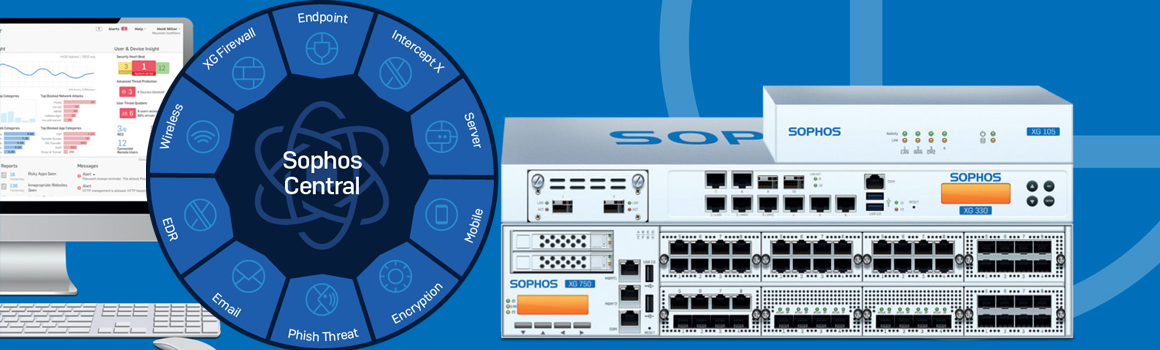
Enterprise firewalls are designed for large organizations with high throughput requirements, advanced threat detection, and centralized management. In contrast, small to mid-sized businesses often opt for unified threat management (UTM) appliances that combine firewall, VPN, antivirus, and intrusion detection.
Leading Firewall Vendors
This category explores the most trusted names in network security:
🔹 Cisco Firewalls
Cisco firewalls are industry leaders, including the popular ASA, Firepower NGFW, and Meraki cloud-managed appliances. Types of firewalls Cisco offers range from small office to data center models.
🔹 Fortinet Firewalls
Fortinet firewalls (often called FortiGate) are known for high performance and AI-powered threat intelligence. Fortinet vs Cisco is a common comparison in enterprise security planning.
🔹 Huawei Firewalls
Huawei firewalls provide carrier-grade security for large networks and telecom infrastructure, with strong capabilities in firewalls in cryptography.
🔹 Juniper Firewalls
Juniper firewalls (SRX series) excel in high-speed environments, data centers, and service provider networks.
🔹 SonicWall Firewalls
SonicWall firewalls are widely adopted by SMBs and distributed enterprises, offering robust threat protection at competitive price points.
🔹 Other Notable Vendors
-
Palo Alto firewalls – Pioneers of next generation firewalls
-
WatchGuard firewalls – Strong in mid-market and managed service providers
-
CheckPoint firewalls – Known for advanced threat prevention
-
Meraki firewalls – Cloud-first, easy to manage
Firewalls Meaning and Definition
The firewalls meaning extends beyond a single definition. In computing, a firewall is a barrier between trusted internal networks and untrusted external networks like the internet. Firewalls definition varies by context, but the core purpose remains: protect assets, control access, and log activity.
Firewalls in Computer Networks
A firewall in computer networks is a critical component of any security architecture. Whether you’re studying firewalls in cyber security for certification (CompTIA Security+, CCNA, CISSP) or implementing protection for your business, understanding firewall types is foundational.
What Do Firewalls Do?
So, what do firewalls do in practice? They:
-
Block unauthorized access
-
Prevent malware from communicating with command-and-control servers
-
Segment network zones (DMZ, internal, guest)
-
Log security events for auditing
-
Enable secure remote access via VPN
How Do Firewalls Work with Other Security Tools
Firewalls integrate with:
-
Intrusion detection/prevention systems (IDS/IPS)
-
Security information and event management (SIEM)
-
Endpoint detection and response (EDR)
-
Zero-trust network access (ZTNA)
Next Generation Firewalls vs Traditional Firewalls
Next generation firewalls go beyond port and protocol inspection. They identify applications, users, and content — regardless of port or encryption. How do firewalls work in a modern context? They use machine learning, behavioral analysis, and threat intelligence feeds.
Firewalls Examples in Real-World Deployments
Firewalls examples include:
-
A hardware firewall at an office perimeter
-
A web application firewall protecting an e-commerce site
-
A cloud firewall securing AWS or Azure workloads
-
Firewalls in buildings – physical access control (conceptually separate but sometimes discussed alongside IT security)
