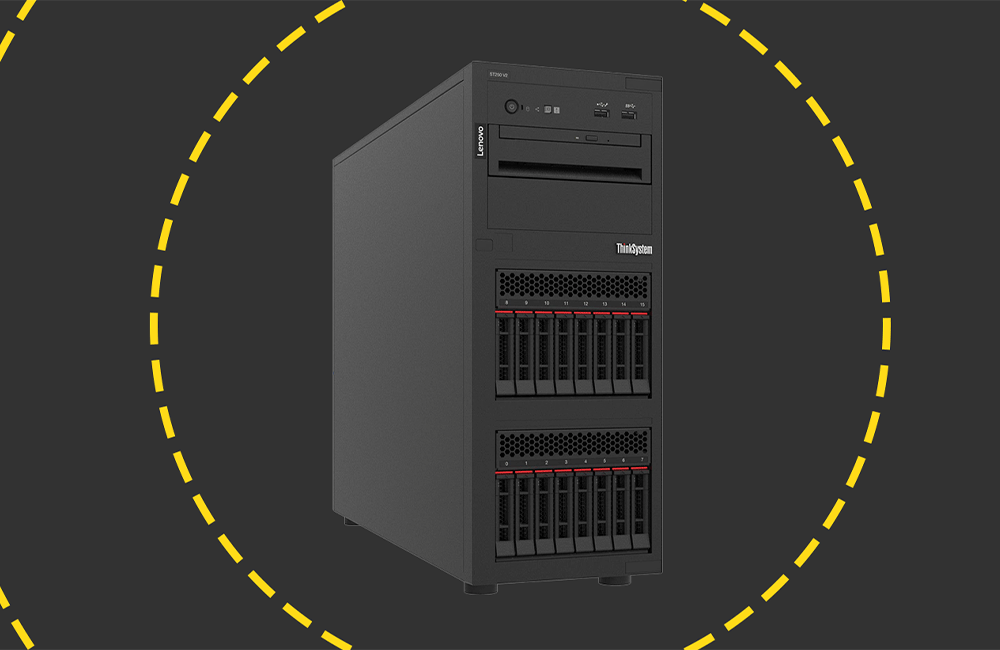
Enterprise Servers
Mobile Workstation
Tower and Rack Workstation Series

DELL EMC PowerEdge Servers

HPE ProLiant Servers

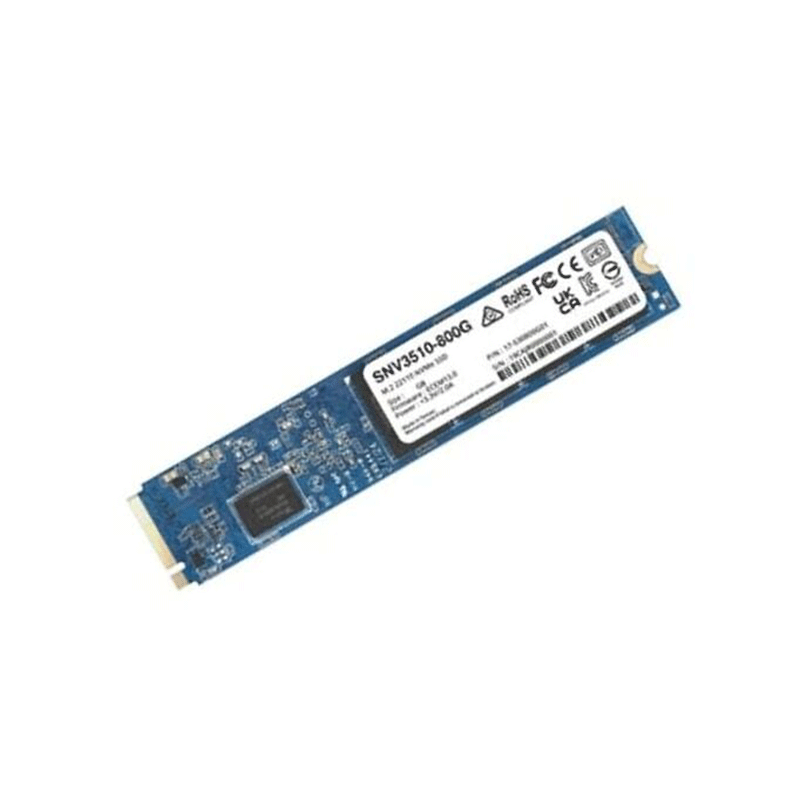
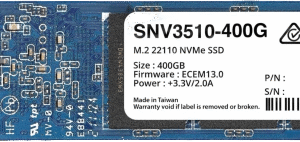
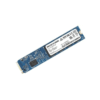
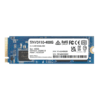
The SNV3510‑400G is a mid‑capacity enterprise NVMe SSD from Synology, designed primarily for NAS (Network Attached Storage) systems, especially those in the Synology ecosystem that support M.2 NVMe drives. It belongs to the SNV3500/SNV3510 series of Synology, which includes models optimized for high random I/O, cache acceleration, and data integrity under 24/7 use.
Given those specs, here are what this SSD does well; situations in which it’s a strong choice:
Great for NAS Cache Use
Its high random I/O performance (read/write) makes it well suited for use as cache in a Synology NAS, especially under multi‑user or high concurrency workloads.
Designed for 24/7 operation, which aligns with always‑on storage environments
Balanced Performance vs. Cost
While not the top speed of the higher capacity model, 400 GB is often enough for cache or hot data, so you get strong performance without going for the larger (and more expensive) drives.
Good sequential read speed (~3,000 MB/s) and solid write (~750 MB/s) for non‑cache tasks, e.g. bulk transfers.
High Reliability
Strong endurance (491 TBW) means it can handle a lot of write traffic over its life.
Long MTBF suggests fewer failures over time.
Data Safety Features
Power‑loss protection helps protect data in flight during sudden power cuts.
End‑to‑end data protection to reduce risk of corruption.
Good Compatibility
Specifically tested and designed for Synology NAS models with M.2 22110 slots. That helps with firmware, driver support, and ensures compatibility.
Physical size (22110) allows more NAND and better thermal characteristics compared to shorter modules. Useful for sustained loads.

The SNV3510‑400G is meant for SSD caching in Synology NAS devices: to speed up frequently accessed data, reduce latency, improve responsiveness, especially under multi‑user workloads.
It’s built for continuous operation: 24/7 availability, handling sustained workloads without frequent degradation.
Often used in environments like multimedia editing, databases, virtualization, or wherever many small file/access operations happen, where random I/O performance matters.



Reviews
There are no reviews yet.