Enterprise Servers
Mobile Workstation
Tower and Rack Workstation Series

DELL EMC PowerEdge Servers

HPE ProLiant Servers

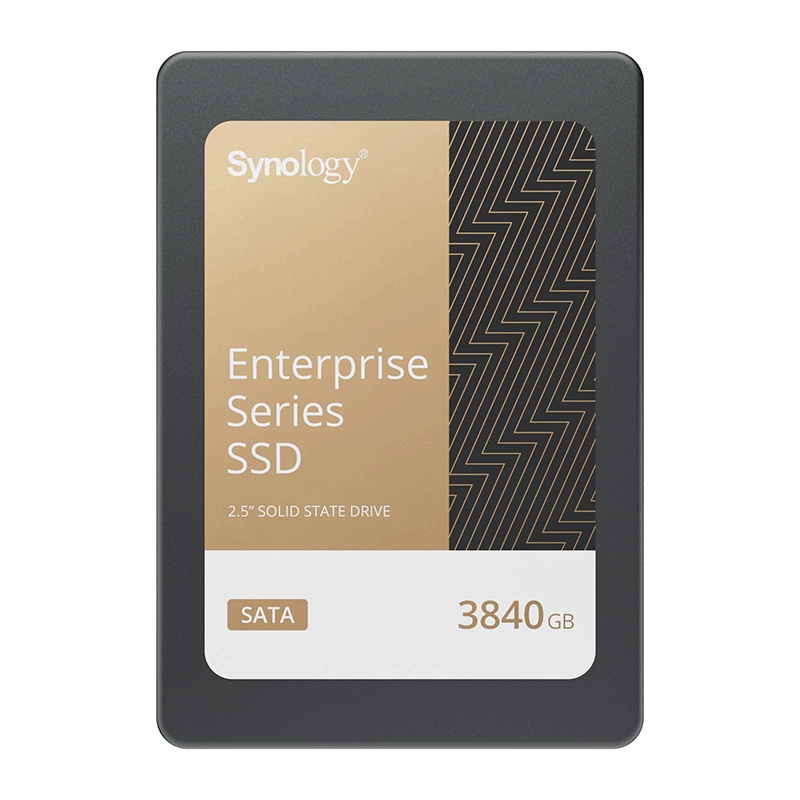
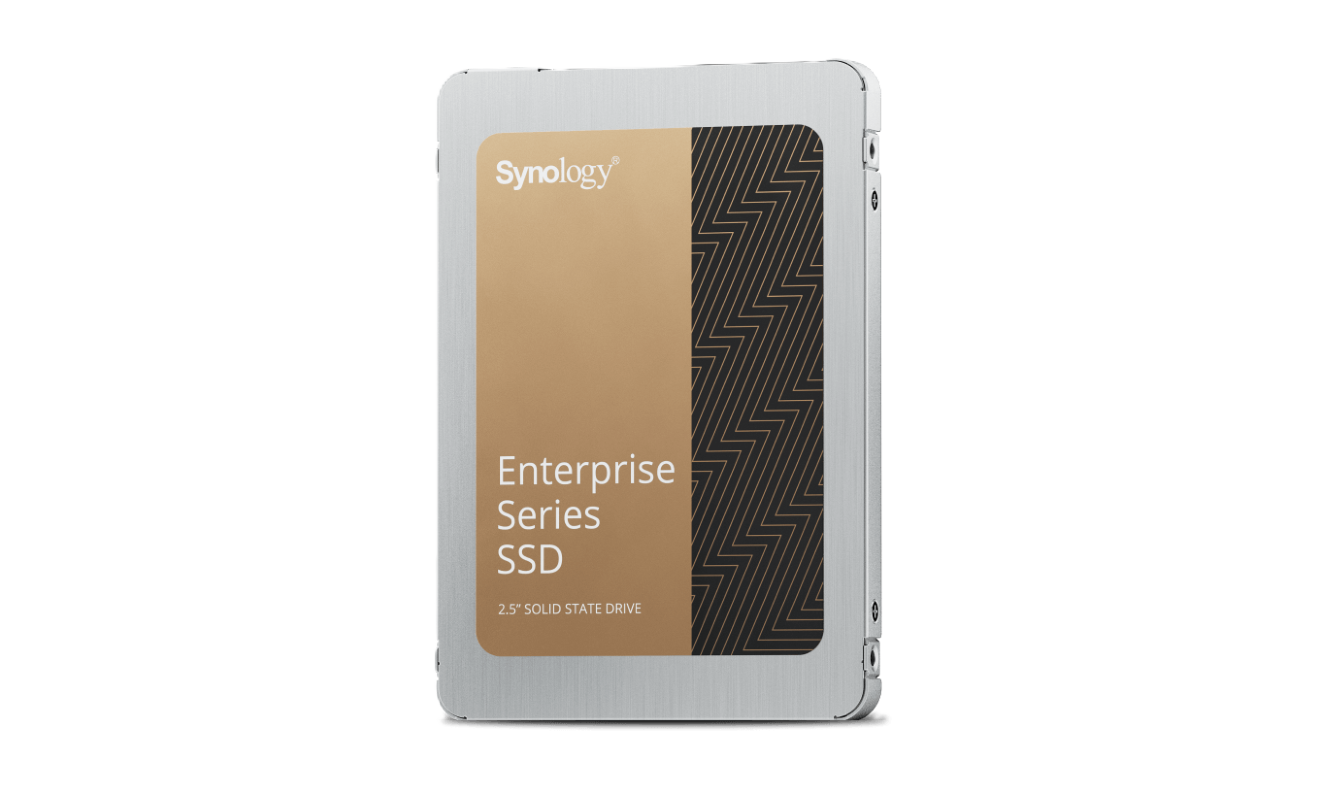
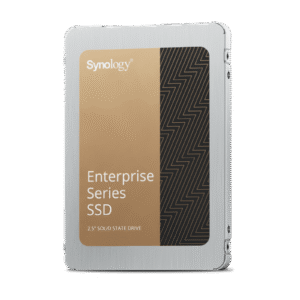
Synology 3.84TB Enterprise SATA SSD
Power Loss Protection (PLP): The drive includes circuitry (such as capacitors) that helps flush data in transit into the NAND in case of a sudden power loss, reducing risk of data corruption.
Data Integrity Features: End‑to‑end protection ensures that data is protected throughout the entire data path, preventing corruption from bit errors during transfer.
Low Latency Optimized: Designed for workloads such as OLTP (online transaction processing), virtualization, or other latency‑sensitive tasks.
Enterprise / 24×7 Use: Built to run continuously under mixed/demanding workloads. Reliability and validation for sustained operation.
The Synology SAT5221‑3840G is an enterprise‑class 2.5‑inch SATA SSD from Synology’s SAT5200 / SAT5221 line. It is designed for demanding NAS, server, or storage infrastructure uses, especially where reliability, endurance, and consistent performance are required
High Endurance for Write‑Heavy / Mixed Workloads
Rated with TBW (Terabytes Written) ≈ 7,000 TBW, meaning it can handle a lot of write traffic over its life.
MTBF ~ 1.5 million hours, which signals a long expected lifetime under constant usage.
Strong Random I/O Performance
Random read (4 KB, QD32) ~ 90,000 IOPS and random write ~ 30,000 IOPS: good responsiveness under workloads with many small I/Os (databases, virtualization, metadata operations).
Good Sequential Throughput Matching SATA Limits
Sustained sequential read & write ~ 500 MB/s each. That’s near the upper limit of what SATA III allows, which means large file transfers, backups, streaming, etc’ll perform well.
Power & Thermal Specs
Typical power draw: ~ 4.5 W during reads, ~ 5.0 W writes, and ~1.2 W idle.
Operating temperature range: 0 °C to 70 °C; storage temperature: ‑40 °C to 85 °C.
Reliability & Data Integrity Features
Includes Power Loss Protection circuitry to guard data in transit when power is lost.
End‑to‑end data protection: ensuring data integrity across the full path (controller → interface → NAND).
Designed for Enterprise / Always‑On Environments
Rated for 24×7 operation. Meant to sustain “mixed & intensive workloads,” which means it can handle non‑stop operation under load.
Built in good durability against temperature variation, with operating temperature up to 70 °C, storage down to ‑40 °C.
Warranty & Support
Comes with a 5‑year warranty, covering either time or until the TBW threshold is reached, which gives confidence for long‑term deployment.
Integration with Synology’s software (DSM) for monitoring drive health, handling firmware updates, lifetime analytics etc. This helps manage the SSD proactively.
Balanced Power Consumption
Idle ≈ 1.2 W, Active read/write ~ 4.5‑5 W; for enterprise SATA SSD of this capacity, that’s reasonable. Helps in systems where many SSDs are used and power / cooling are costs
High endurance: >7,000 TBW means this SSD is built to handle many write cycles and heavy workloads without degrading quickly. Good for enterprise/NAS uses, frequent writes, large data sets.
Balanced performance: Strong sequential speeds (up to SATA limits) and solid random I/O (read/write) making it suitable for both large file transfers and many small file operations (e.g. small databases, metadata, virtualization).
Reliability features: Power Loss Protection ensures data in transit has less risk of corruption if power drops. End‑to‑end data protection ensures integrity across the whole data path. These are especially vital in enterprise or mission‑critical systems.
Synology / DSM integration: Likely to have good firmware, diagnostics, lifetime analytics, and consistent compatibility with Synology hardware. Many Synology products are tuned for their own SSD lines.
Appropriate heat/power behavior: Reasonable active and idle power consumption. The operating temperature range supports many typical server/NAS environments.
Excellent endurance (7,000 TBW) and high MTBF make it suitable for write‑intensive environments and long‑term deployments.
Strong random I/O performance (especially read) which is very helpful for database workloads, many small file operations, metadata access, virtualization, etc.
Full sequential speeds near the limit of SATA III (~500 MB/s) for large file transfers, backups etc.
Integration with Synology’s software (DSM) for health monitoring, firmware updates, and lifetime analytics. (Synology’s enterprise SSD lines are validated for their systems.
|
Hardware Specifications
|
SAT5221-480G
|
SAT5221-960G
|
SAT5221-1920G
|
SAT5221-3840G
|
SAT5210-7000G
|
|
|---|---|---|---|---|---|---|
| General | Capacity | 480 GB | 960 GB | 1.92 TB | 3.84 TB | 7 TB |
| Form Factor | 2.5″ 7mm | 2.5″ 7mm | 2.5″ 7mm | 2.5″ 7mm | 2.5″ 7mm | |
| Interface | SATA 6 Gb/s | SATA 6 Gb/s | SATA 6 Gb/s | SATA 6 Gb/s | SATA 6 Gb/s | |
| Performance | Sustained Sequential read (128 KB, QD32) | 500 MB/s | 500 MB/s | 500 MB/s | 500 MB/s | 530 MB/s |
| Sustained Sequential write (128 KB, QD32) | 500 MB/s | 500 MB/s | 500 MB/s | 500 MB/s | 500 MB/s | |
| Sustained Random Read (4KB, QD32) | 90,000 IOPS | 90,000 IOPS | 90,000 IOPS | 90,000 IOPS | 97,000 IOPS | |
| Sustained Random Write (4KB, QD32) | 30,000 IOPS | 30,000 IOPS | 30,000 IOPS | 30,000 IOPS | 50,000 IOPS | |
| Notes |
|
|||||
| Endurance and Reliability | Terabytes Written (TBW)* | >900 TB | >1,700 TB | >3,500 TB | >7,000 TB | >10,000 TB |
| Power Loss Protection | ||||||
| Warranty* | 5 Years | 5 Years | 5 Years | 5 Years | 5 Years | |
| Notes |
|
|||||
| Power Consumption | Active Read (Typ.) | 3 W | 3.5 W | 4.5 W | 4.5 W | 3.3 W |
| Active Write (Typ.) | 3.5 W | 4 W | 5 W | 5 W | 5.1 W | |
| Idle | 1.2 W | 1.2 W | 1.2 W | 1.2 W | 1.8 W | |
| Notes | Power consumption may differ according to configurations and platforms. | |||||
| Temperature | Operating Temperature | 0°C to 70°C (32°F to 158°F) | 0°C to 70°C (32°F to 158°F) | 0°C to 70°C (32°F to 158°F) | 0°C to 70°C (32°F to 158°F) | 0°C to 70°C (32°F to 158°F) |
| Storage Temperature | -40°C to 85°C (-40°F to 185°F) | -40°C to 85°C (-40°F to 185°F) | -40°C to 85°C (-40°F to 185°F) | -40°C to 85°C (-40°F to 185°F) | -40°C to 85°C (-40°F to 185°F) | |
|
Compatibility
|
||||||
| Applied Models |
|
|||||


Reviews
There are no reviews yet.