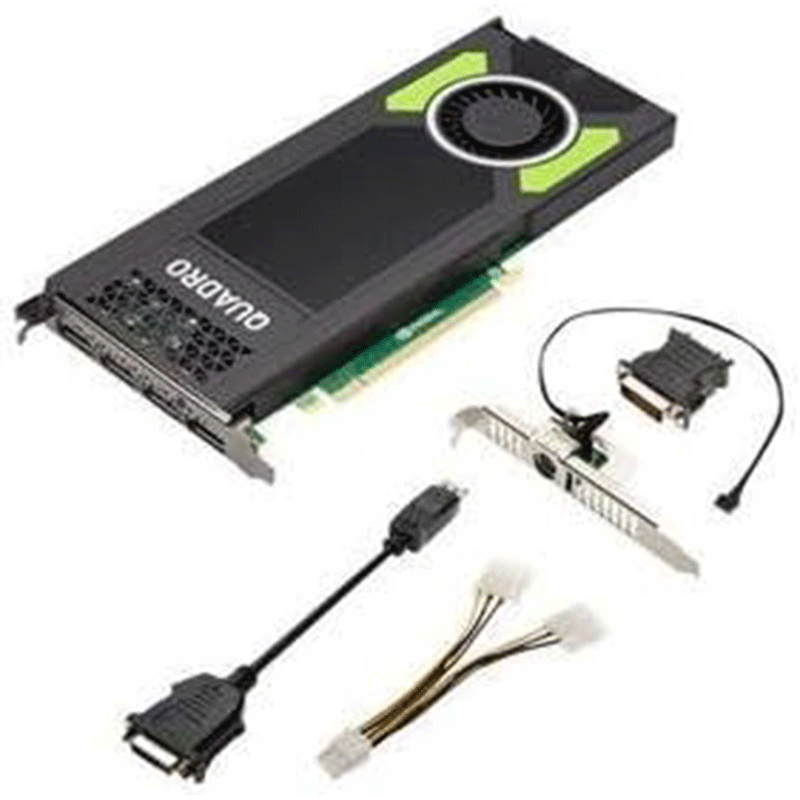
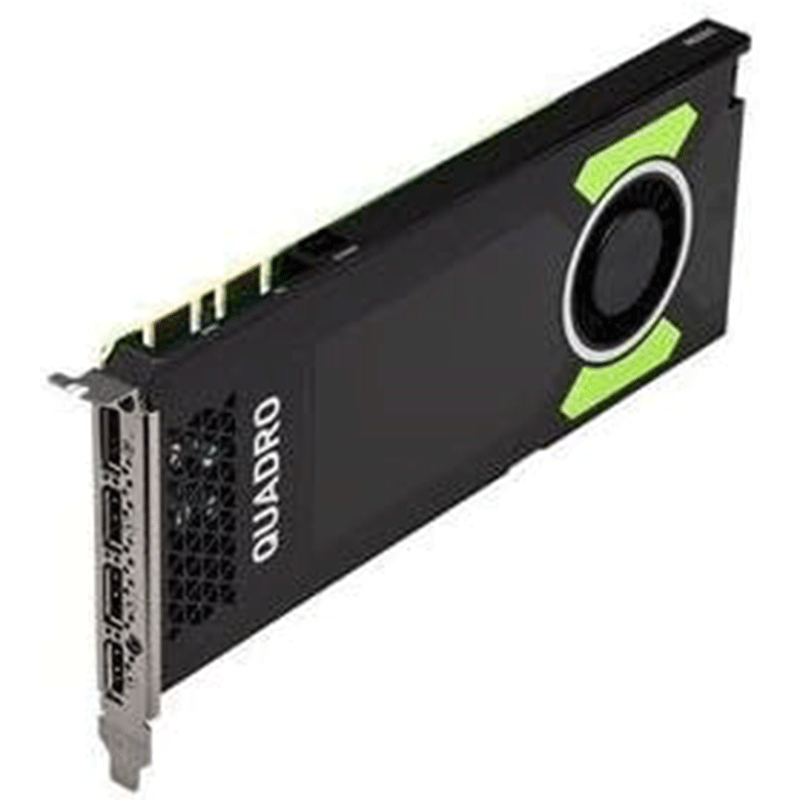
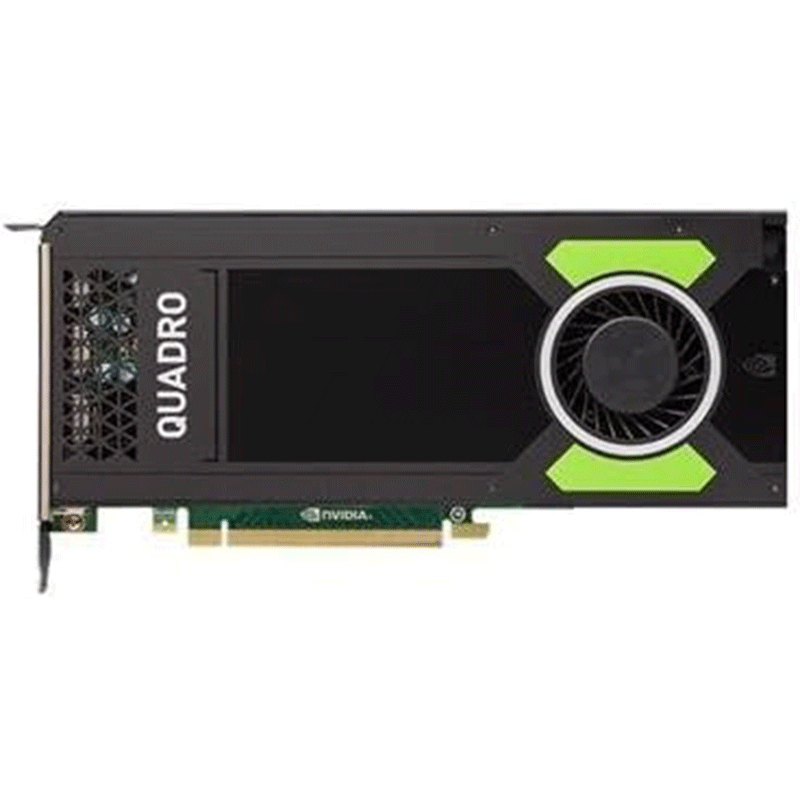
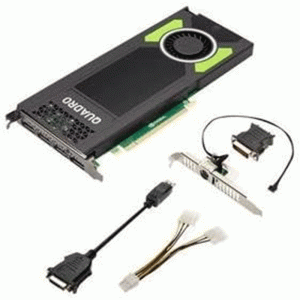
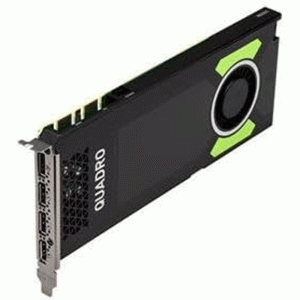
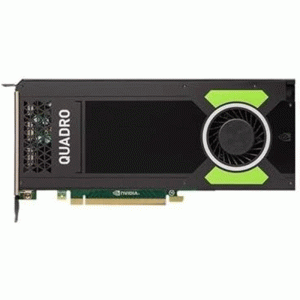
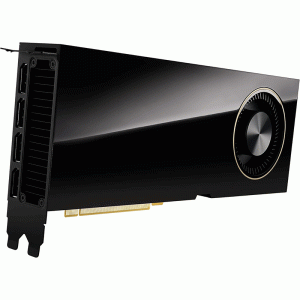
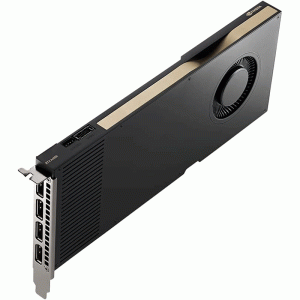
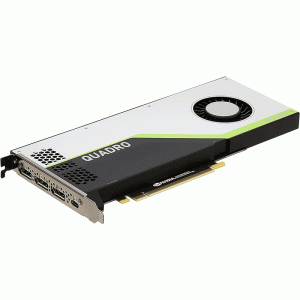
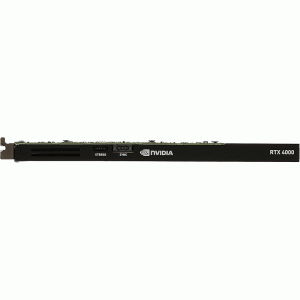
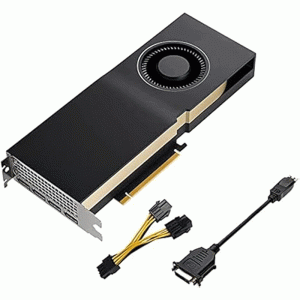
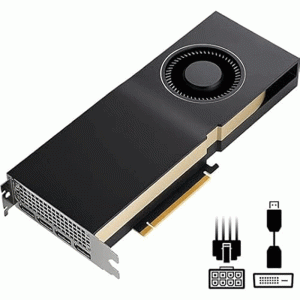
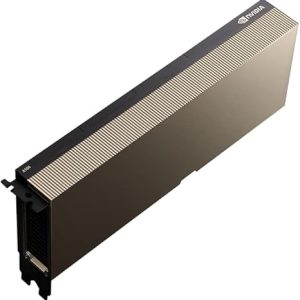
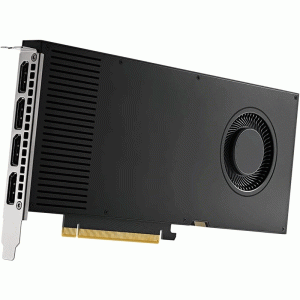
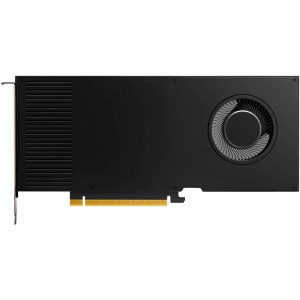
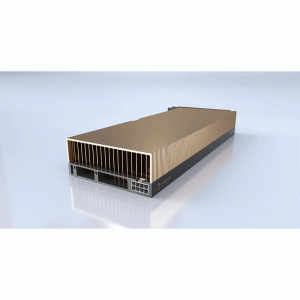
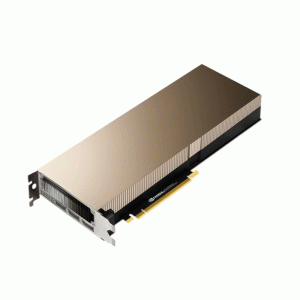
NVIDIA Quadro M4000 Graphics card
Description
The NVIDIA Quadro M4000 is a professional workstation graphics card built on the Maxwell architecture, designed for reliable performance in CAD, 3D modeling, rendering, and visualization workloads.
It features 8GB of GDDR5 memory and a single-slot design, allowing it to handle large and complex models while supporting up to four 4K displays simultaneously through DisplayPort outputs. The card is optimized with NVIDIA’s professional drivers for stability and compatibility with engineering and design software such as AutoCAD, SolidWorks, and Maya.
With a balance of power efficiency and workstation-focused performance, the Quadro M4000 is well-suited for professional creative and technical environments, though it is now considered a legacy GPU and is less suitable for modern gaming, AI workloads, or high-end rendering compared to newer RTX workstation cards.
Technical Specifications
| Brand | NVIDIA |
|---|---|
| Graphics Memory | 8 GB GDDR5 |
| Interface | 256-bit |
| Memory Bandwidth | 192 GB/s |
| Cores | 1664 NVIDIA CUDA |
| Connection Type | PCI Express 3.0 x16 |
| Max Power Consumption | 120 W |
| Thermal Solution | Active |
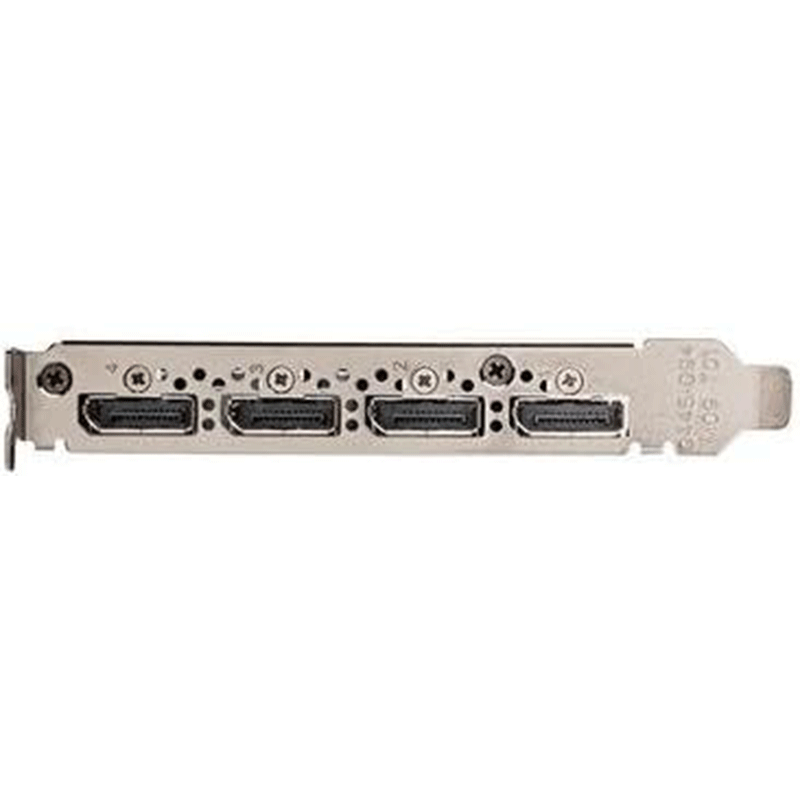
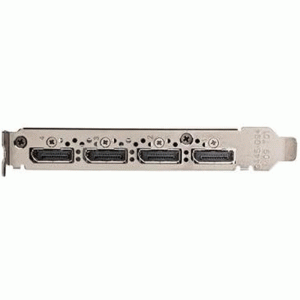
| Display Connectors | 4x DisplayPort 1.2 |
| Max Simultaneous Displays | 4 direct, 4 DP 1.2 Multi-Stream |
| Max DP 1.2 Resolution | 4096 × 2160 @ 60 Hz |
| Max VGA Resolution | 2048 × 1536 @ 85 Hz |
| Graphics APIs | Shader Model 5.0, OpenGL 4.5, DirectX 12.0, Vulkan 1.0 |
| Compute APIs | CUDA, DirectCompute, OpenCL |
Key Features – NVIDIA Quadro M4000
- Maxwell Architecture Performance:
The NVIDIA Quadro M4000 is built on the Maxwell architecture, which is designed to deliver stable and efficient performance for professional workloads. It focuses on reliability and precision rather than gaming-oriented speed, making it ideal for long hours of CAD design, engineering simulations, and 3D visualization tasks. - 8GB GDDR5 Memory:
This graphics card comes with 8GB of GDDR5 memory, allowing it to handle large and complex 3D models, high-resolution textures, and detailed engineering projects. The substantial memory capacity ensures smoother performance when working with memory-intensive applications such as architectural design and animation software. - Multi-Display Support (Up to 4 Screens):
The Quadro M4000 supports up to four 4K displays simultaneously through DisplayPort 1.2 outputs. This feature enhances productivity by enabling users to work across multiple screens, making it easier to manage design tools, timelines, and reference materials at the same time. - Certified Professional Drivers:
NVIDIA provides certified Quadro drivers that are specifically optimized for professional software applications. These drivers ensure higher stability, reduced crashes, and better compatibility with industry-standard programs such as AutoCAD, SolidWorks, Maya, and 3ds Max. - Optimized for CAD and 3D Applications:
The GPU is engineered specifically for computer-aided design (CAD), 3D modeling, and visualization workflows. It delivers consistent rendering performance and accurate graphical output, which is essential for engineers, architects, and designers working on precision-based projects. - Single-Slot Workstation Design:
The Quadro M4000 features a single-slot form factor, making it suitable for compact workstation builds where space is limited. Despite its slim design, it maintains solid performance for professional workloads without requiring bulky cooling solutions. - Power Efficiency (120W TDP):
With a thermal design power of around 120 watts, the M4000 is relatively power-efficient for a workstation GPU. It provides a good balance between performance and energy consumption, making it suitable for systems that need continuous operation without excessive power draw. - Stable Professional Workflows:
This GPU is designed for long-term stability in demanding professional environments. With NVIDIA’s enterprise-grade driver support, it ensures consistent performance during rendering, modeling, and simulation tasks, making it a dependable choice for mission-critical design work.
Typical Use Cases
- 3D modeling & CAD design
- Architecture and engineering visualization
- Video editing (moderate workloads)
- Scientific visualization
- Multi-monitor professional setups
Limitations
- Outdated (2015 era GPU)
- Not ideal for modern AAA gaming
- Limited CUDA feature support compared to newer GPUs
- Lower performance in AI / deep learning tasks
- No RTX features (no ray tracing or DLSS)


Reviews
There are no reviews yet.