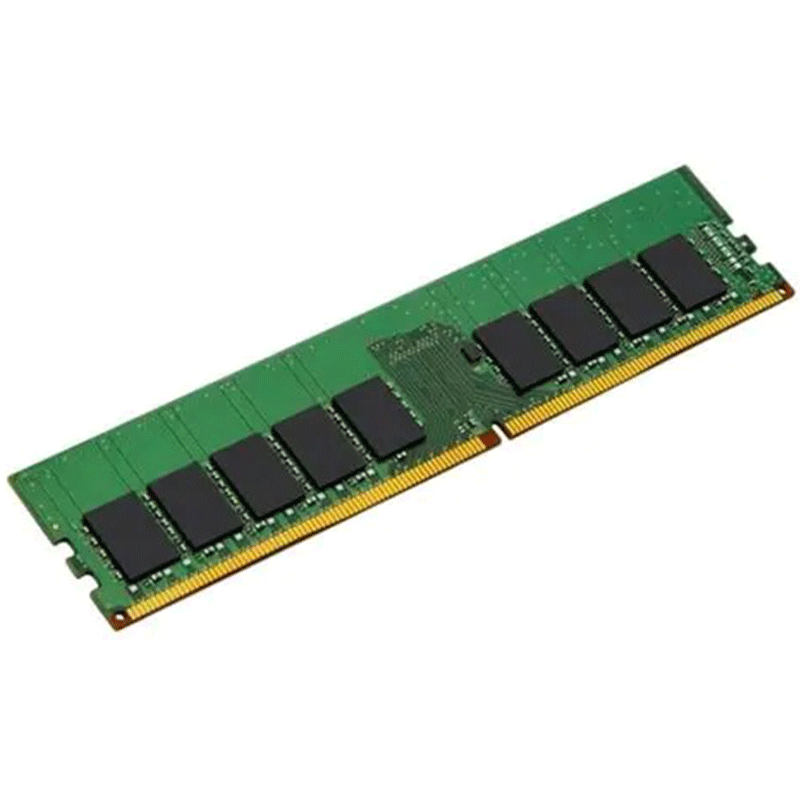
KTD-PE432ES8/16G Kingston 16GB PC4-25600 DDR4-3200MHz ECC Unbuffered CL22 288-Pin DIMM 1.2V Single Rank Memory Module
Description
Specs
- Type: DDR4 SDRAM, 16 GB, 288‑pin DIMM
- Speed: 3200 MHz (PC4‑25600)
- Voltage: 1.20 V — low‑voltage DDR4
- ECC (Error‑Checking): Yes — supports error correction to help improve data integrity.
- Unbuffered (UDIMM): Yes — the module is unbuffered.
- Rank / Organization: Single‑rank (1Rx8), which generally improves compatibility and may reduce latency.
- CAS Latency: CL22
- Form Factor: Full-size desktop/server DIMM (288‑pin)
- Intended Use: Server or workstation systems that support ECC & unbuffered DDR4 RAM.
- Warranty: Lifetime (manufacturer warranty).
Key Features
- Capacity: 16 GB — a solid capacity for server/workstation workloads where reliability and multitasking matter.
- Memory Type & Speed: DDR4‑3200 MHz (PC4‑25600) — gives good bandwidth for modern DDR4‑compatible systems.
- Error Correction: ECC (Error‑Correcting Code) support — can detect and correct memory errors to improve data integrity and system reliability.
- Form Factor / Pin Count: Standard 288‑pin DIMM — fits standard DDR4 desktop/server DIMM slots.
- Module Configuration: Single‑rank, unbuffered — simpler, lower-latency design, often maximizing compatibility with a range of motherboards/servers that support ECC UDIMMs.
- Voltage: 1.20 V — lower-voltage DDR4 for better energy efficiency and less heat/power draw compared with older or higher‑voltage RAM.
- CAS Latency: CL22 — latency is modest and typical for DDR4‑3200 ECC modules, balancing speed and reliability.
- Designed For: Server / workstation use — optimized for stability, data integrity, and continuous operation rather than overclocking or gaming–specific tweaks
- Power Efficiency & Reliability: Low‑voltage DDR4 + ECC ensures efficient power usage and at the same time provides error correction, making it ideal for always‑on systems (e.g. servers, NAS, workstations).
What it’s good for (and what to check)
Best for:
- Servers or workstations where data integrity matters (e.g. databases, virtualization, file servers), because ECC helps detect / correct memory errors.
- Builds using motherboards / CPUs that support ECC and unbuffered (UDIMM) memory.
- Situations where you want a balance: good capacity (16 GB), DDR4‑3200 speed, and reliable ECC — without going into registered/RDIMM territory.
What you need to check for compatibility:
-
The motherboard/CPU must support ECC UDIMM (not all desktop boards do). Using ECC on a non‑ECC‑supporting system may simply disable ECC, or the system may not boot.
-
Because it’s unbuffered (UDIMM), it’s not the same as registered (RDIMM) / buffered server RAM — many “server‑only” motherboards expect RDIMM.
-
Mixing ECC and non‑ECC modules is generally not recommended.
-
If you are building a typical consumer desktop PC without ECC support, you might not get benefit from ECC, so a regular non‑ECC DDR4 module might be more cost‑effective.
Ideal Use Cases
-
Servers & Enterprise Systems — Situations where data integrity and uptime matter (e.g. database servers, file servers, application servers). ECC helps prevent memory‑related data corruption or crashes.
-
Workstations running critical workloads — For workloads such as virtualization, large data‑processing, scientific computing, or enterprise-grade software where stability and correctness are more important than absolute memory speed.
-
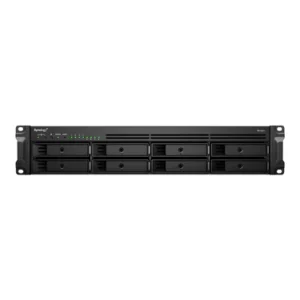
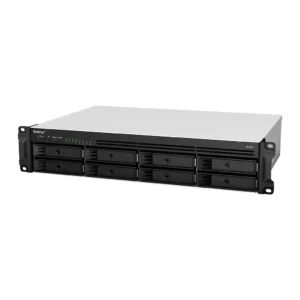
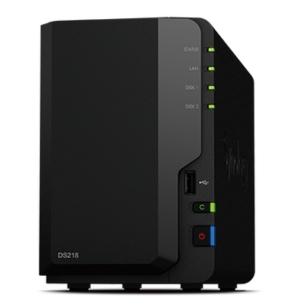
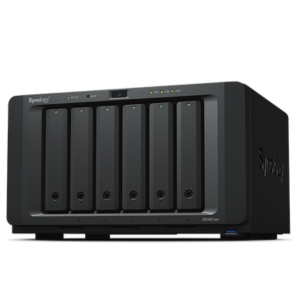
Home labs / NAS / Self‑hosted services — If you are building a home server, storage server (NAS), or virtualization host — ECC unbuffered RAM gives an extra layer of safety against subtle memory errors.
-
Always‑on Systems or 24/7 uptime machines — Systems that run continuously and handle important data or services benefit from error‑correcting RAM to minimize risk of memory‑induced crashes or data corruption over time.


Reviews
There are no reviews yet.