Enterprise Servers
Mobile Workstation
Tower and Rack Workstation Series

DELL EMC PowerEdge Servers

HPE ProLiant Servers

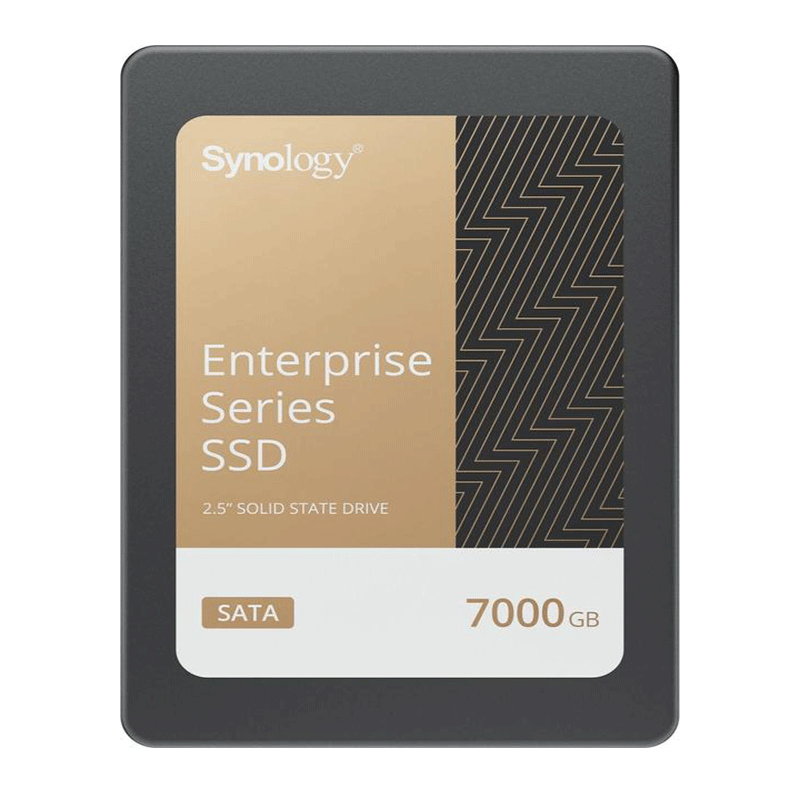
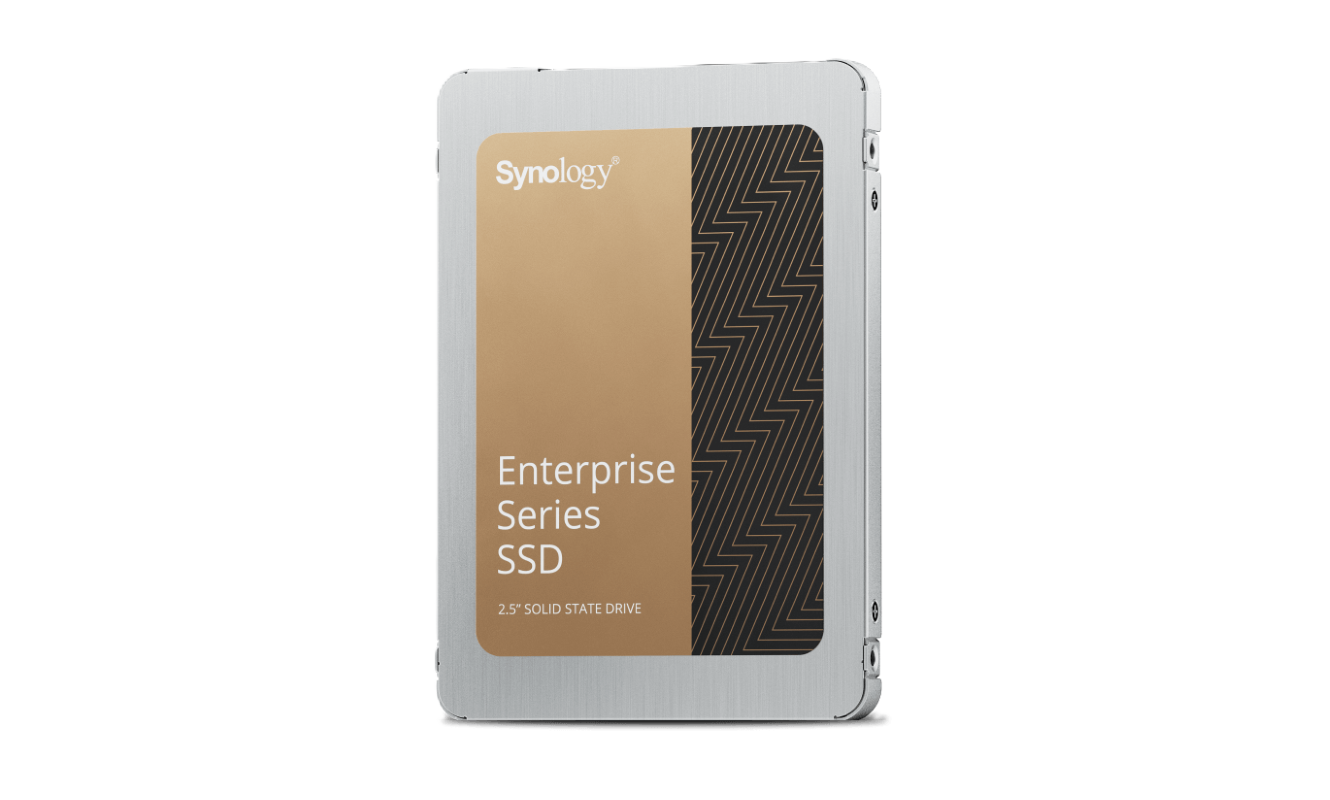
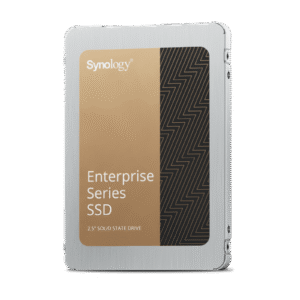
Synology 7TB Enterprise SATA SSD
Very high endurance for writes: With ~ 11,460 TBW, this drive is built to handle very heavy write / mixed workloads over time without wearing out quickly. This makes it ideal for use in environments with high write cycles (e.g. databases, log heavy workloads).
Strong random I/O performance: ~97,000 IOPS for random read and ~50,000 IOPS for random write. This helps with responsiveness under small file operations, many simultaneous users, or metadata access.
Fast sequential transfer speeds: Near SATA limits (~530 MB/s read) which helps for large file transfers or streaming large content.
Power loss protection: Helps prevent data corruption in the event of power failure. Important for ensuring data integrity in enterprise/NAS use.
Large capacity in a compact form factor: 7 TB in a 2.5″ 7mm drive allows flexible deployment, saves space, and works where 2.5″ drive bays are used.
Long MTBF and warranty: 1.5 million hours MTBF and 5‑year warranty give confidence for enterprise / always‑on usage.
Good thermal & power specs: Reasonable active/idle power consumption for SATA enterprise SSD; operating temp range is versatile.
Very high endurance (11,460 TBW) means it can handle substantial write workloads over time. Good for enterprise/NAS environments where SSDs are under heavy use.
Strong random I/O performance for reads & writes. This improves responsiveness for small‑file operations, metadata access, virtual machines, or apps that require many random reads/writes
Strong sequential performance (reads and writes) close to SATA interface limits (~530/500 MB/s). Useful for large file transfers, backups, or streaming.
Built‑in protections: power loss protection, end‑to‑end data protection, lifetime analytics (monitoring via Synology DSM), etc. These help maintain data integrity and drive health in enterprise settings.
|
Hardware Specifications
|
SAT5221-480G
|
SAT5221-960G
|
SAT5221-1920G
|
SAT5221-3840G
|
SAT5210-7000G
|
|
|---|---|---|---|---|---|---|
| General | Capacity | 480 GB | 960 GB | 1.92 TB | 3.84 TB | 7 TB |
| Form Factor | 2.5″ 7mm | 2.5″ 7mm | 2.5″ 7mm | 2.5″ 7mm | 2.5″ 7mm | |
| Interface | SATA 6 Gb/s | SATA 6 Gb/s | SATA 6 Gb/s | SATA 6 Gb/s | SATA 6 Gb/s | |
| Performance | Sustained Sequential read (128 KB, QD32) | 500 MB/s | 500 MB/s | 500 MB/s | 500 MB/s | 530 MB/s |
| Sustained Sequential write (128 KB, QD32) | 500 MB/s | 500 MB/s | 500 MB/s | 500 MB/s | 500 MB/s | |
| Sustained Random Read (4KB, QD32) | 90,000 IOPS | 90,000 IOPS | 90,000 IOPS | 90,000 IOPS | 97,000 IOPS | |
| Sustained Random Write (4KB, QD32) | 30,000 IOPS | 30,000 IOPS | 30,000 IOPS | 30,000 IOPS | 50,000 IOPS | |
| Notes |
|
|||||
| Endurance and Reliability | Terabytes Written (TBW)* | >900 TB | >1,700 TB | >3,500 TB | >7,000 TB | >10,000 TB |
| Power Loss Protection | ||||||
| Warranty* | 5 Years | 5 Years | 5 Years | 5 Years | 5 Years | |
| Notes |
|
|||||
| Power Consumption | Active Read (Typ.) | 3 W | 3.5 W | 4.5 W | 4.5 W | 3.3 W |
| Active Write (Typ.) | 3.5 W | 4 W | 5 W | 5 W | 5.1 W | |
| Idle | 1.2 W | 1.2 W | 1.2 W | 1.2 W | 1.8 W | |
| Notes | Power consumption may differ according to configurations and platforms. | |||||
| Temperature | Operating Temperature | 0°C to 70°C (32°F to 158°F) | 0°C to 70°C (32°F to 158°F) | 0°C to 70°C (32°F to 158°F) | 0°C to 70°C (32°F to 158°F) | 0°C to 70°C (32°F to 158°F) |
| Storage Temperature | -40°C to 85°C (-40°F to 185°F) | -40°C to 85°C (-40°F to 185°F) | -40°C to 85°C (-40°F to 185°F) | -40°C to 85°C (-40°F to 185°F) | -40°C to 85°C (-40°F to 185°F) | |
|
Compatibility
|
||||||
| Applied Models |
|
|||||


Reviews
There are no reviews yet.